
Activity diagrams model the executable flow of algorithms and procedures. They expose conditions, loops, function calls, exceptions, parallel branches, and return paths for debugging and control-flow analysis.


From syntax to system view


01 / Platform
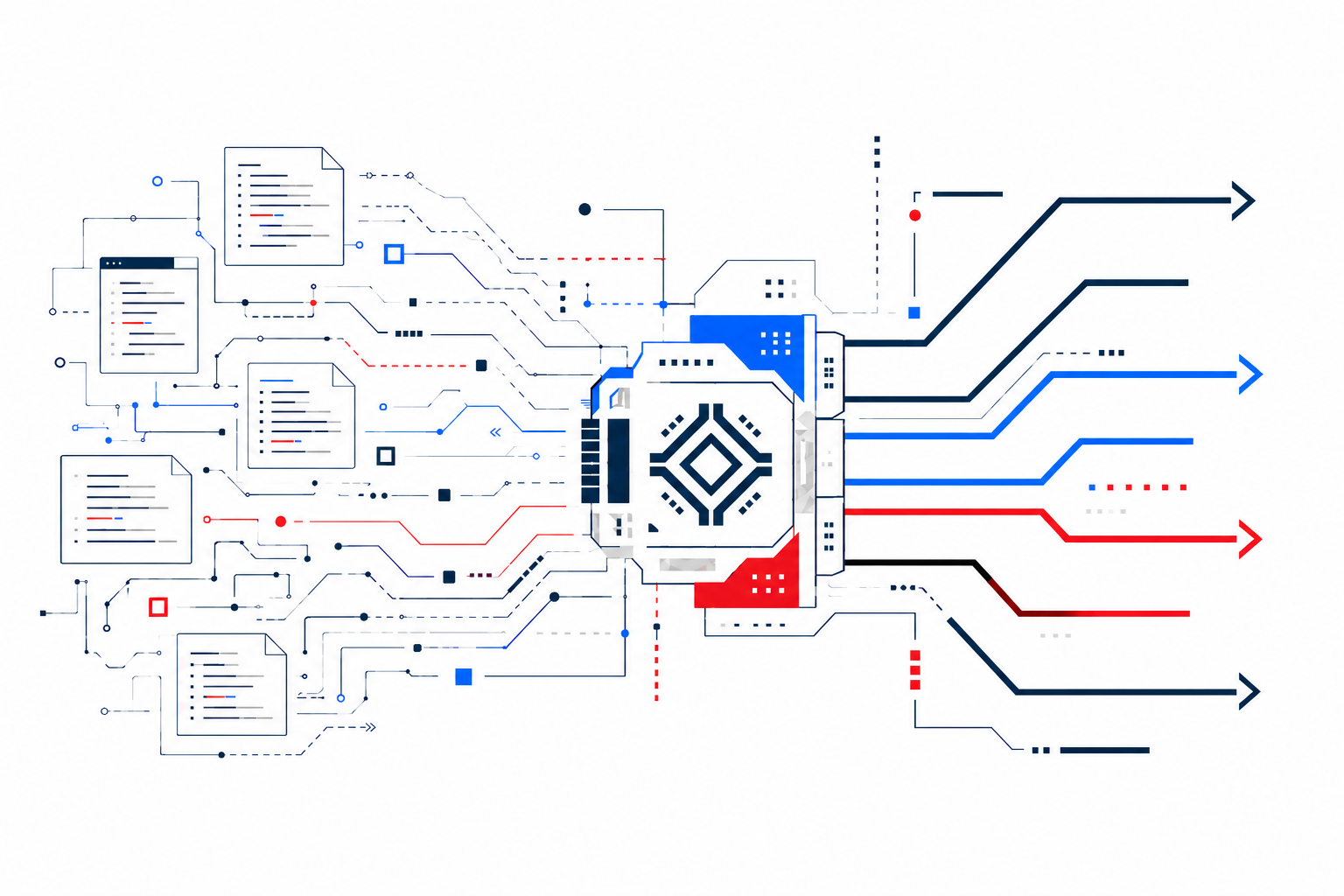
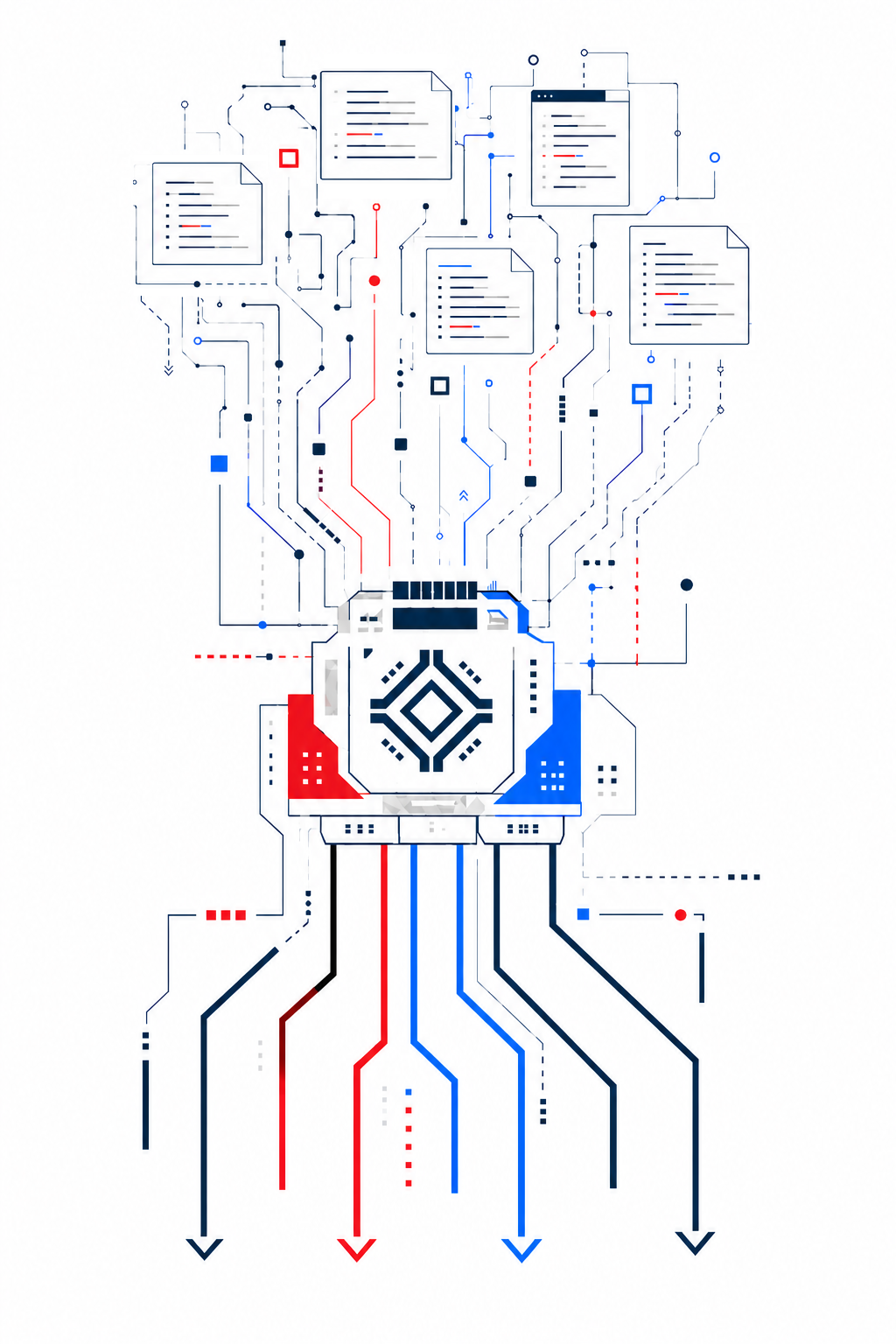
Code2UML is a software visualization platform built to turn language syntax into a shared visual model.
It identifies entities, relationships, declarations, expressions, control flow, and the structures relevant to each diagram—then translates them through a purpose-built rendering stack.
Activity diagrams model the executable flow of algorithms and procedures. They expose conditions, loops, function calls, exceptions, parallel branches, and return paths for debugging and control-flow analysis.
Class diagrams represent the static structure of object-oriented software. They document classes, interfaces, members, inheritance, composition, aggregation, and dependencies to make system architecture explicit.


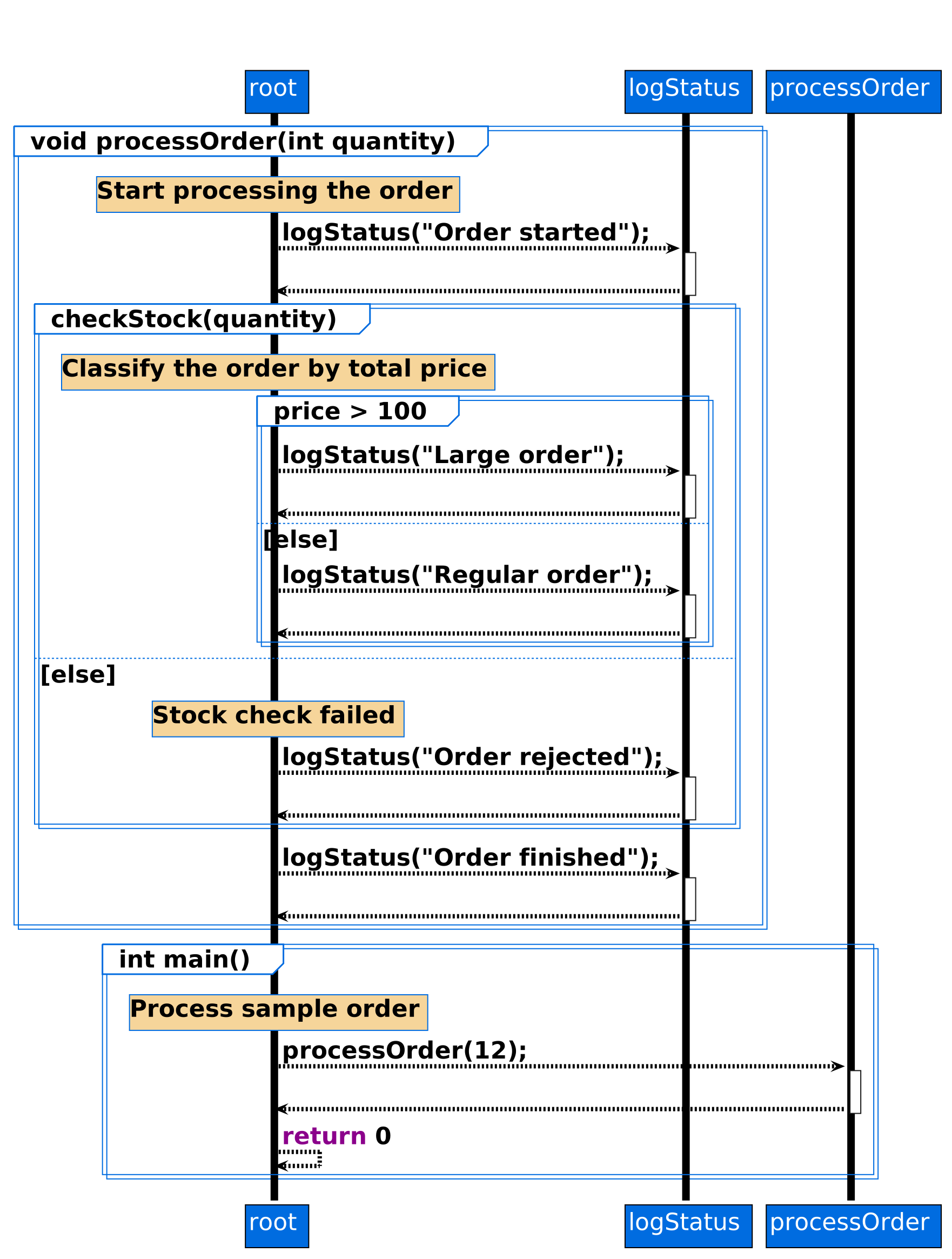
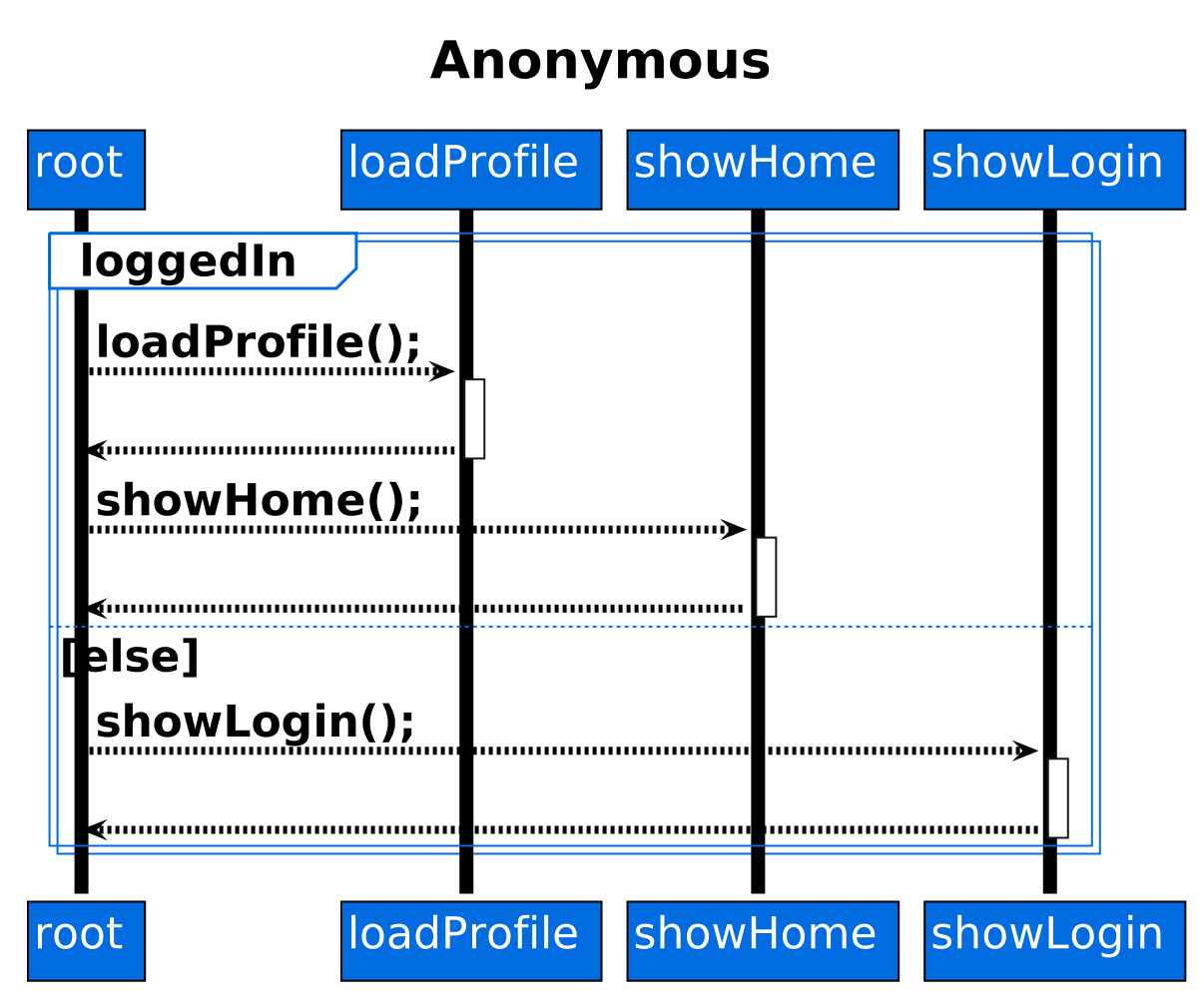
Sequence diagrams describe time-ordered communication between objects, components, services, or users. They reveal call order, message flow, participant responsibilities, and runtime collaboration within a scenario.
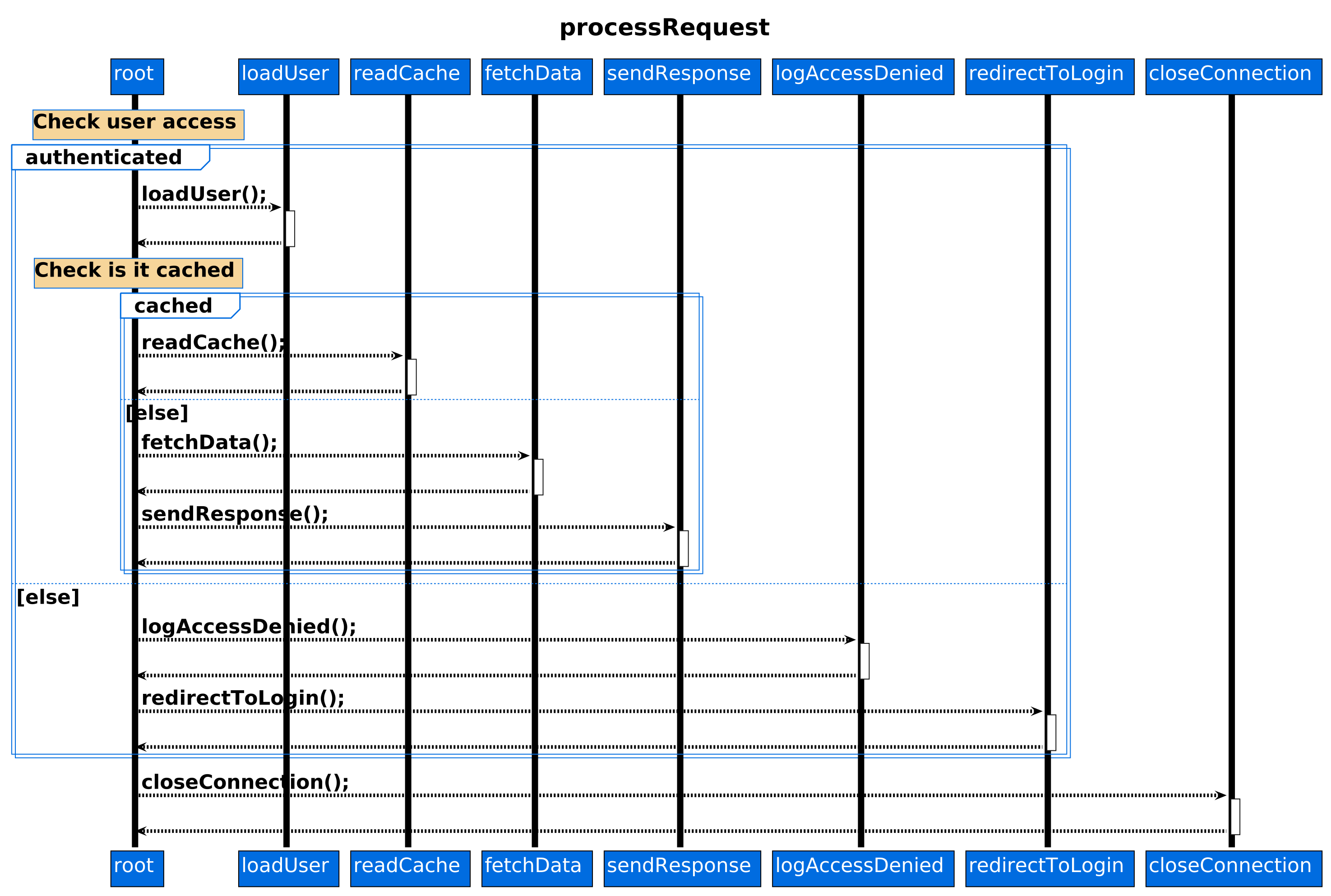

State diagrams represent finite-state behavior and are particularly useful for visualizing regular expressions as automata. They show states, guarded transitions, accepted paths, events, and failure conditions.


Code2UML converts source code into clear, structured diagrams—so people can inspect architecture, trace behavior, document systems, and explain software without reading every line first.
02 / Built for software work
Visual platform for engineering, code review, documentation, and education.
Expose architecture, dependencies, execution paths, and state changes across legacy code and new modules.
Turn AI-produced code into a visual model before it is accepted, deployed, or modified.
Create exportable diagrams for reviews, onboarding, technical documents, clients, and stakeholders.
Teach control flow, object-oriented architecture, interactions, and system lifecycles with concrete code.
03 / Diagram systems
Move from line-by-line inspection to a view that matches the question you are asking.
Decisions, branches, calls, loops, exceptions, and execution paths.
01 / 04Classes, interfaces, members, inheritance, composition, and dependencies.
01 / 04Participants, messages, call order, and service collaboration over time.
01 / 04States, transitions, events, guards, and lifecycle behavior—including regular expressions represented as finite-state automata.
01 / 03The CodeVisuals Engine is a purpose-built static analysis system that transforms source code into precise, structured visual models. Its language parsers cover more than 95% of the supported syntax in each language, including declarations, relationships, control flow, calls, and other language-specific constructs. Analysis happens directly from source, without compiling, executing, or introducing runtime side effects. Every transformation is deterministic, so identical source and configuration always produce the same model and the same diagram. Language-specific structures are resolved and normalized into a shared intermediate representation that preserves the meaning of the original program. Dedicated diagram generators then translate that model into editable PlantUML source and export-ready SVG/PNG or PUML assets. The result is a predictable engineering pipeline for architecture review, debugging, documentation, education, code verification, and clear technical communication.
Platform primitives
Reliable software visualization requires more than a prompt. Code2UML is built around language-specific parsing, accumulated edge-case knowledge, diagram-specific rendering behavior, and a modular architecture designed to keep expanding to additional programming languages.
Try the current workspaceUnderstands the grammar and structures that matter to each diagram type.
Adapt colors, typography, spacing, line styles, element shapes, and visual hierarchy to match any documentation system or brand.
With PlantUML Plus as the graphics engine, every diagram follows deterministic layout and styling rules.
Render large, relationship-heavy diagrams while preserving structure, legibility, and a navigable view of the wider system.
Generate most diagrams in under a second, keeping visual analysis fast enough for iterative development and review.
04 / The road ahead
Code2UML’s direction is a continuously synchronized visual interface for entire software systems.
Navigate between visual elements and exact source, compare versions, and investigate large repositories from a connected system view.
Turn source code into clear visual models that make software structure, behavior, and relationships easier to understand.
Keep visual documentation synchronized while teams annotate, discuss, review, and evolve software together.
See your software differently.